
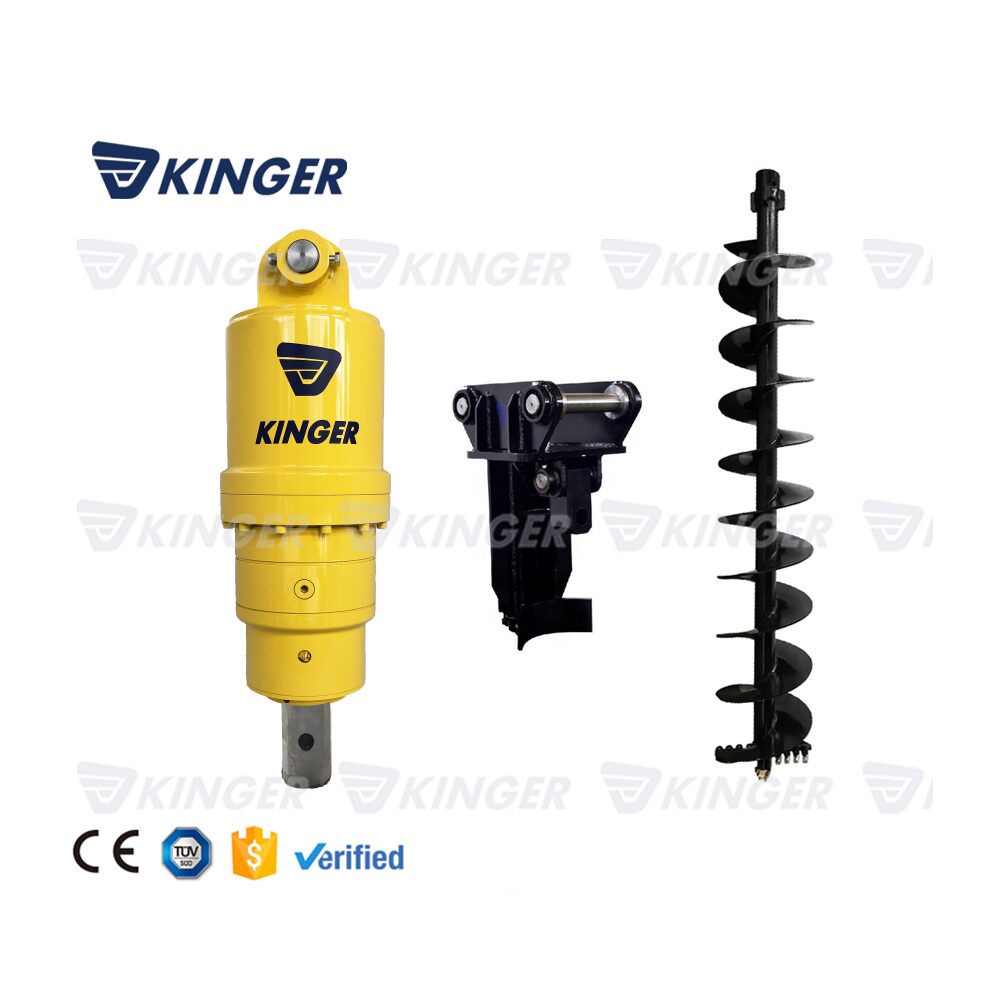
Heavy duty other machinery is a broad industrial category that covers specialized equipment not easily
classified under standard construction, agricultural, mining or processing machinery headings.
For global buyers, engineers and procurement managers, finding
heavy duty other machinery verified manufacturers, suppliers and exporters with quality assurance
is critical to ensure performance, safety and long‑term reliability.
This comprehensive industry resource explains key concepts, technical classifications, quality standards
and sourcing considerations relevant to heavy duty other machinery in international trade.
It is designed for use on B2B directories, manufacturing portals, procurement blogs, category pages
and industrial landing pages where SEO‑friendly, structured and information‑rich content is required.
The term heavy duty other machinery generally refers to industrial‑grade,
high‑capacity machines that:
In B2B sourcing platforms, the phrase other machinery usually consolidates
a diverse range of specialized equipment, including but not limited to:
Heavy duty other machinery verified manufacturers, suppliers and exporters typically
serve sectors such as steel and metalworking, shipbuilding, power generation,
petrochemical, aerospace, defense, large‑scale logistics and infrastructure projects.
When purchasing heavy duty other machinery on a global scale,
selecting verified manufacturers, suppliers and exporters with quality assurance
reduces technical, financial and safety risks. Heavy equipment failures can cause:
Verification processes conducted by marketplaces, certification bodies or third‑party inspectors
normally include:
Working with heavy duty other machinery verified manufacturers and suppliers gives
procurement teams more confidence when issuing large orders, negotiating long‑term contracts
and initiating complex OEM or ODM projects.
Heavy duty other machinery encompasses multiple overlapping categories.
For clarity and SEO‑friendly navigation, the following high‑level classification is commonly used
on industrial directories and sourcing platforms:
| Functional Category | Typical Examples | Key Features |
|---|---|---|
| Material Handling & Lifting | Gantry systems, transfer carts, turntables, heavy duty conveyors, lifting beams | High load capacity, rugged construction, safety interlocks, precise control |
| Forming & Pressing | Hydraulic presses, stamping units, forging machines, die handling systems | High tonnage, rigid frames, advanced hydraulics, automated feeds |
| Cutting, Grinding & Finishing | Large surface grinders, heavy duty band saws, deburring lines, shot blasting machines | Wear‑resistant components, continuous‑duty motors, dust control systems |
| Testing & Inspection | Load test rigs, endurance test stands, vibration test systems | Precision sensors, data acquisition, programmable test cycles |
| Auxiliary & Support Equipment | Industrial cleaning machines, power units, filtration and cooling skids | Robust housings, easy maintenance, integration capability |
| Special Purpose Machinery | Custom assembly lines, robotic cells, non‑standard machines | Application‑specific design, modular structure, flexible automation |
| Industry | Representative Heavy Duty Other Machinery | Typical Requirements |
|---|---|---|
| Metallurgy & Steel | Slab handling systems, roller tables, heavy shears, coil handling machinery | High temperature resistance, scale protection, hydraulic power |
| Shipbuilding & Offshore | Block transporters, panel lines, welding rotators, launching equipment | Corrosion resistance, large dimensions, synchronized control |
| Power Generation | Turbine handling rigs, generator rotator stands, heavy alignment equipment | Tight tolerances, vibration control, safety and redundancy |
| Railway & Transportation | Bogie presses, wheel mounting machines, rail welding lines | High repeatability, strong clamping, long service life |
| Aerospace | Large part machining fixtures, composite lay‑up tools, precision positioning systems | Precision alignment, clean operation, advanced traceability |
| Heavy Construction & Infrastructure | Segment handling systems, heavy lifting frames, precast yard machinery | Weather resistance, easy mobilization, robust safety devices |
| Customization Level | Description | Typical Buyers |
|---|---|---|
| Standard Catalog Machines | Pre‑engineered models with fixed core specifications, minor options possible | Distributors, general contractors, smaller factories |
| Configurable Platforms | Base designs with modular options for capacity, tooling, controls and safety | OEMs, integrators, mid‑size manufacturing plants |
| Fully Custom Machinery (SPM) | Engineered from scratch or heavily modified based on project requirements | Large enterprises, EPC contractors, specialized production lines |
Heavy duty other machinery verified manufacturers, suppliers and exporters usually
describe their products using clearly defined technical parameters.
The following tables illustrate common specification fields used for SEO‑optimized
product descriptions, data sheets and comparison tools.
| Parameter | Description | Typical Range |
|---|---|---|
| Load Capacity | Maximum static or dynamic load the machinery can safely handle | 5 t to > 1,000 t, depending on application |
| Working Stroke / Travel | Linear or rotational movement range of key components | 500 mm to > 20,000 mm (linear) or 0–360° rotation |
| Frame Material | Base structural material and reinforcement scheme | Carbon steel, alloy steel, cast steel, reinforced welded structures |
| Safety Factor | Design margin between working load and failure load | Typically 1.5–3.0 depending on standards and application |
| Duty Cycle | Operation pattern (intermittent, semi‑continuous, continuous) | From 20% duty to 24/7 continuous operation |
| Operating Temperature | Ambient or process temperature range where machinery can function | -20 °C to +200 °C or higher with special design |
| Protection Level | Resistance to dust, water and environmental exposure | Typical IP ratings from IP54 to IP65 or higher |
| Parameter | Description | Typical Options |
|---|---|---|
| Power Source | Main source of energy for machine operation | Electric, hydraulic, pneumatic, diesel, hybrid |
| Installed Power | Total rated power of motors and drives | From < 10 kW for compact units up to > 500 kW |
| Control System | Type of control architecture used to operate the machine | Relay logic, PLC, CNC, PC‑based control, integrated safety PLC |
| Automation Level | Degree of automation and human intervention | Manual, semi‑automatic, fully automatic, robotic integration |
| Interface & HMI | Human‑machine interface for operation and monitoring | Push‑button panels, touch screens, SCADA, remote monitoring |
| Communication Protocols | Industrial network standards used to connect with other systems | Ethernet/IP, Profinet, Modbus, CANopen, Profibus, OPC UA |
| Parameter | Description | Relevance |
|---|---|---|
| Design Life | Target service life under rated operating conditions | Commonly 10–20 years for heavy duty machinery |
| MTBF / MTTR | Mean time between failures and mean time to repair | Used for reliability planning and maintenance scheduling |
| Surface Protection | Type of paint, coating or treatment applied to exposed surfaces | Anti‑corrosion systems, galvanizing, special marine coatings |
| Noise Level | Sound pressure at specified distance and operating mode | Critical for worker comfort and regulatory compliance |
| Energy Efficiency | Consumption of energy per unit of output or operating time | Important for total cost of ownership (TCO) |
| Document Type | Description | Issued By |
|---|---|---|
| General Arrangement Drawing | Overall layout and dimensional drawing of the machinery | Manufacturer engineering department |
| Foundation & Installation Drawing | Information for civil work and anchoring requirements | Manufacturer or engineering consultant |
| Operation & Maintenance Manual | Detailed instructions for operation, lubrication and routine service | Manufacturer technical team |
| Spare Parts List | Catalog of recommended spare parts with part numbers | Manufacturer parts division |
| Test Certificates | Reports documenting factory acceptance tests (FAT) and performance checks | Manufacturer or third‑party inspector |
Heavy duty other machinery verified manufacturers, suppliers and exporters implement
comprehensive quality assurance (QA) systems from design to delivery.
The objective is to guarantee consistent performance, traceability and compliance with
international safety and quality regulations.
Leading manufacturers operate under structured quality management systems such as:
In heavy duty other machinery, design errors can be extremely costly.
Verified manufacturers apply:
Quality assurance during production includes:
Heavy duty other machinery often requires compliance with major regulations and directives.
Commonly referenced standards include:
| QA Element | Purpose | Typical Evidence |
|---|---|---|
| Quality Manual | Describes overall quality system and procedures | ISO 9001 certificate, internal documentation |
| Inspection & Test Plan (ITP) | Defines inspection points and responsibilities | Approved ITP attached to order documentation |
| Material Certificates | Guarantee chemical composition and mechanical properties | EN 10204 3.1 or 3.2 certificates |
| Welding Records | Ensure weld quality and procedure validity | WPQR, WPS, welder qualification certificates |
| Factory Acceptance Test (FAT) | Demonstrates functionality before shipment | Signed FAT reports and performance data |
| Site Acceptance Test (SAT) | Confirms correct installation and operation on site | SAT protocols witnessed by buyer or third party |
In global trade, the concept of a verified manufacturer or
verified supplier is essential for reducing risk.
Heavy duty other machinery buyers often depend on verification services provided by:
| Verification Aspect | What is Checked | Importance for Buyers |
|---|---|---|
| Business Legitimacy | Registration, licenses, tax records, corporate identity | Confirms the supplier is legally established |
| Production Capacity | Factory area, equipment list, workforce size, production volume | Ensures ability to handle large or urgent orders |
| Technical Capability | Engineering staff, design software, testing facilities | Indicates competence for custom heavy duty other machinery |
| Quality System | ISO certification, internal procedures, QA staff | Shows maturity of quality management practices |
| Export Experience | Export markets, customs documentation, logistics knowledge | Reduces risks related to shipping and regulations |
| Compliance Records | History of accidents, failures, recalls or legal disputes | Helps evaluate potential long‑term risks |
Platforms and agencies often categorize heavy duty other machinery suppliers into different
verification levels. Typical patterns include:
Basic verified suppliers – business license and contact data checked.
On‑site verified manufacturers – factory visited, photos taken, capacity audited.
Premium verified exporters – extended checks on export history, QA system
and customer references.
For large projects and heavy investments, buyers are encouraged to request
additional independent verification beyond standard listing badges,
such as a full supplier audit or third‑party technical assessment.
The market for heavy duty other machinery is inherently international.
Engineering contractors, EPC companies and industrial groups source equipment from multiple regions
to optimize cost, lead time and technology. Verified exporters play a crucial role in ensuring
smooth cross‑border transactions.
Although specific company names are excluded here, the following regions are widely recognized
as important hubs for heavy duty other machinery manufacturing and export:
Heavy duty machinery exporters must manage complex logistics and documentation.
Common export‑related elements include:
Heavy duty other machinery verified exporters usually offer quotations under
internationally recognized Incoterms. Typical choices are:
Heavy duty other machinery must be carefully packed to prevent damage in transit.
Verified manufacturers and exporters apply:
Partnering with heavy duty other machinery verified manufacturers, suppliers and exporters
provides measurable benefits to industrial customers and procurement organizations.
Selecting the right partner among heavy duty other machinery verified manufacturers,
suppliers and exporters requires a systematic evaluation.
Buyers should consider both technical and commercial factors.
| Evaluation Item | Key Questions | What to Request |
|---|---|---|
| Experience in Similar Projects | Has the supplier delivered similar heavy duty machinery before? | Reference list, project descriptions, photos and videos |
| Engineering Capability | Can they design custom or semi‑custom solutions? | Engineering team profile, sample drawings, design tools used |
| Manufacturing Facilities | Do they have adequate fabrication, machining and assembly capacities? | Equipment list, workshop layout, production flow description |
| Testing and Inspection | Are there in‑house test rigs and inspection instruments? | Calibration certificates, sample test reports, pictures of test setups |
| Compliance with Standards | Which industry standards and directives are followed? | List of standards, sample conformity and certification documents |
For large or strategic projects, site visits to heavy duty other machinery manufacturers
are strongly recommended. Audits should verify:
Heavy duty other machinery is used wherever standard equipment cannot meet
specific technical or operational requirements. Below are common application domains.
In integrated steel mills and metal processing facilities,
heavy duty other machinery may include:
Shipbuilding requires handling extremely large and heavy structures.
Specialized machinery such as panel lines, section rotators and heavy transporters
are usually covered under heavy duty other machinery categories.
Verified manufacturers supply heavy duty other machinery such as:
Infrastructure megaprojects use custom machinery for:
Despite the heavy weight of components, aerospace and precision industries demand
extremely accurate and repeatable operations.
Heavy duty other machinery here includes:
Modern heavy duty other machinery increasingly integrates digital technologies.
Verified manufacturers and suppliers add smart features to improve efficiency and traceability.
Connectivity enables integration of heavy duty other machinery into plant‑wide systems:
With continuous data from sensors, operators can:
Safety is a primary concern for heavy duty equipment due to the high energies involved.
Heavy duty other machinery verified manufacturers design
and construct equipment according to established safety principles.
Machinery directives and harmonized standards often require
formal risk assessment processes. Manufacturers:
Even with robust design, safe operation depends on human behavior.
Verified suppliers usually support:
Environmental responsibility is becoming a mandatory concern
for heavy duty other machinery manufacturers, suppliers and buyers.
Sustainability considerations influence design, materials and operating strategies.
For machinery powered by internal combustion engines or used in enclosed spaces,
emission and noise levels must meet regulatory limits.
Manufacturers implement:
Sustainable heavy duty other machinery design also considers:
Websites and directories that list
heavy duty other machinery verified manufacturers, suppliers and exporters
can improve search visibility and user engagement through clear content structure.
| Field | Description | SEO Benefit |
|---|---|---|
| Product Category | Specific subtype of heavy duty other machinery | Improves long‑tail keyword targeting |
| Key Specifications | Capacity, dimensions, power, duty cycle and main features | Enables rich snippets and detailed search results |
| Compliance & Certifications | Mention of ISO, CE, UL or other approvals | Attracts compliance‑oriented buyers |
| Application Industries | List of sectors where machinery is used | Connects industry‑specific queries to listings |
| Customization Options | Scope for OEM, ODM and tailored engineering | Appeals to buyers with unique requirements |
| Export Markets | Regions where the supplier already exports | Targets geographically focused searches |
The category covers large, industrial‑grade equipment that does not fit neatly into
standard catalog groups such as conventional cranes, excavators or farm machinery.
It often consists of custom handling systems, specialized forming machines,
heavy test rigs, auxiliary production equipment and special purpose machines.
Heavy duty machinery involves high investment, long service life and significant safety risks.
Working with verified manufacturers and exporters reduces the likelihood of defects,
delivery delays, non‑compliance with regulations and communication problems
during design and commissioning.
At minimum, an ISO 9001 quality management system is recommended.
Depending on the application and destination market, buyers may also require
CE marking, UL or CSA certification, ATEX or IECEx conformity for explosive environments
and compliance with relevant EN, ISO, DIN, ANSI or ASME standards.
Lead times vary widely based on complexity and customization.
Standard catalog machines may be available within several weeks,
while custom‑engineered systems can require several months for design,
fabrication, assembly and testing.
Early engagement with verified manufacturers helps align schedules with project milestones.
To obtain accurate quotations, buyers should provide:
Success depends on coordination between buyer, manufacturer and any local contractors.
Buyers should:
Heavy duty other machinery is a strategically important category for many industrial sectors.
Because these machines are often large, customized and safety‑critical,
working only with verified manufacturers, suppliers and exporters with quality assurance
is essential.
Clear specifications, robust quality systems, comprehensive documentation
and transparent communication form the foundation of successful projects.
For B2B directories, industry portals and procurement platforms,
offering structured, data‑rich content on heavy duty other machinery
helps buyers understand key concepts, compare technical parameters
and connect with suitable verified partners worldwide.
This combination of technical depth and clear formatting supports both
search engine optimization and practical decision‑making for industrial stakeholders.
```
Este site usa cookies para garantir que você tenha a melhor experiência em nosso site.


 English
 Español
 Français
 Italiano
 Nederlands
 Polski
 Română
 lietuvių
 Hrvatski



 Whatsapp
 Telefone
Comente
(0)